
Bangladesh Women vs Australia Women
Cricket, especially in the women’s game, has seen rapid growth over the past two decades. Teams that were once considered underdogs are now making their mark. Among these, Bangladesh Women are developing steadily, while Australia Women have long been a powerhouse. Comparing the two offers insight into how different levels of cricketing infrastructure, experience, and resources affect international performance, and what lessons can be learned as the sport globalizes.
Historical Background
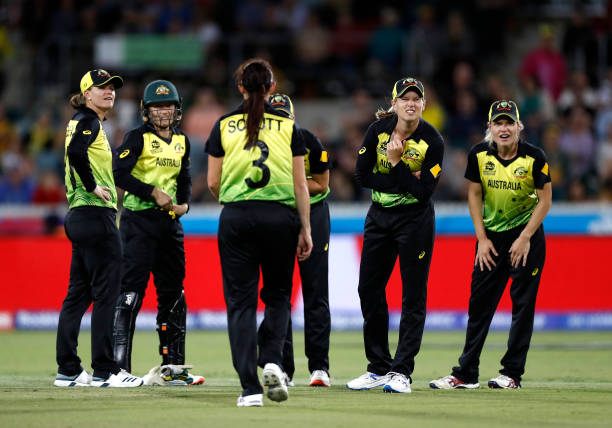
Australia Women has a long and distinguished history in women’s cricket. They have consistently been among the best teams in all formats globally, with strong domestic systems, frequent international fixtures, and deep talent pools. This has allowed them to stay at, or near, the top for many years.
Bangladesh Women, on the other hand, are comparatively recent entrants to high-level women’s international cricket. Their growth has been steady rather than meteoric. While cricket is immensely popular in Bangladesh, the women’s side has traditionally had fewer resources, less international exposure, and less experience playing against top-tier opponents than Australia.
Team Structure, Resource Differences, and Development
- Domestic Infrastructure and Opportunity
- Australia benefits from well-established domestic leagues and ample opportunities for women to play competitive cricket from a young age. The Women’s Big Bash League (WBBL), for example, provides high-pressure games and strong exposure.
- Bangladesh, while improving, has fewer high-quality domestic competitions. As a result, players often have less match practice against strong opposition, which can impact skills under pressure.
- Coaching, Facilities, and Support
- Australia’s system includes strong coaching, access to top training facilities, medical support, sports science, psychology, and more. These all contribute to developing well-rounded athletes.
- Bangladesh is investing more in these areas, but the gap remains. Issues such as limited access to high-end facilities, fewer support staff, and less funding/travel may hold back consistent performance against top teams.
- Experience and Exposure
- Because Australia plays many more international matches and tours, their players are exposed regularly to different conditions (pitches, weather, crowds), different styles of opposition, and high-pressure situations (World Cups, finals, etc.).
- Bangladesh Women have fewer such opportunities. Some progress is being made (more fixtures, tour matches, etc.), but when up against a powerhouse like Australia, limited exposure can show up in execution gaps—e.g. batting collapses under pressure, or inability to sustain performance across long series.
Recent Performance & Head-to-Head
Recent series and matches provide concrete evidence of how the two teams stack up. Some key observations:
- In March 2024, Australia toured Bangladesh and swept them in both the ODI series (3-0) and the T20I series. Bangladesh was unable to reach 100 runs in any of their ODI innings during that series. Match sample:
- 1st ODI: Australia posted 213/7; Bangladesh replied with 95 — Australia won by 118 runs.
- 1st T20I: Bangladesh scored 126/4; Australia chased it without losing a wicket.
- 3rd ODI: Bangladesh were bowled out for 89, Australia chased comfortably.
- Also in the 2025 Women’s World Cup, Australia again showed dominance over Bangladesh: in one match, Bangladesh’s 198 was chased down by Australia without loss, with Alyssa Healy making a century, and Phoebe Litchfield making a strong contribution. These results point to consistent dominance by Australia over Bangladesh in recent times—both in ODI and T20 formats.
Strengths and Weaknesses: A Comparative Analysis
| Aspect | Australia Women – Strengths | Areas to Watch | Bangladesh Women – Strengths | Areas to Improve |
| Batting Depth & Power | Very deep batting lineup; many players who can score big and sustain pressure. Strong opening partnerships. | Occasionally, in unfamiliar pitches, can struggle early, but they generally adapt. | Some talented batters; occasional strong innings (e.g., Sobhana Mostary’s 66 in the 2025 World Cup vs Australia) show potential. | Consistency; handling high-pressure chases; building big totals against top attack units. Early collapse or inability to accelerate when required often hurt them. |
| Bowling Variety & Experience | Australia has bowlers with a mix of pace, spin, death bowling experience; ability to adapt to different conditions. | Against spin-heavy attacks in Asia, may sometimes be less comfortable though still generally dominant. | Emerging bowlers; some show promise (e.g., fast bowlers, spinners) in specific matches. Instances of taking wickets and breaking partnerships. | Controlling runs, especially in middle overs; taking early wickets against top batters; maintaining pressure over long spells. |
| Fielding, Fitness, and Mental Toughness | Excellent fielding standards; fitness; handling pressure in big matches. | Sometimes complacency or errors under unfamiliar conditions, but rare. | Players are improving; athleticism and fielding are getting better with more exposure. | Drop catches or missed opportunities, lapses under pressure; stamina and consistency in long tournaments. |
| Experience & Match Awareness | Experienced leadership; players accustomed to high-pressure and tight situations; good game plans. | Occasionally overconfidence could lead to errors, but Australia usually recovers. | Bangladeshi side has growing leadership and better match awareness but less match play vs top sides. | Strategic decisions under pressure, rotation of bowlers, reading the game, adapting plans mid-game. |
Why Australia Usually Wins—and by Good Margins
From the data, several consistent themes emerge:
- Australia’s dominance in nearly all departments: When they bat, they put up big totals. When they bowl, they restrict Bangladesh to low scores. Their fielding and temperament allow them to capitalize.
- Bangladesh’s vulnerability early in innings or in middle overs: They often lose early wickets (top order), or their middle order cannot build on starts. Against high-quality bowling, those gaps become costly.
- Pressure handling: Australia tends to perform under pressure—whether chasing or defending. Bangladesh, while showing flashes of brilliance, sometimes crack under the pressure of big occasions or tough situations.
- Momentum and consistency: Australia’s deep bench, regular competitive matches, and strong domestic structure mean that form and confidence are more sustained. Bangladesh may have peaks, but sustaining over a series is harder.
Recent Example: World Cup Match (2025)
A notable recent example: In one of their World Cup matches, Bangladesh posted 198/9, which was their highest ever ODI score against Australia. Despite that better batting performance, Australia chased it down without losing a wicket, with Alyssa Healy scoring 113* and Phoebe Litchfield 84*. This illustrates both Bangladesh’s improvement (able to post a more competitive total) and Australia’s superiority in execution. This game is emblematic: progress on Bangladesh’s side, but still a gap in match-closing and dominating fully. Australia still has enough to win with ease when things go right.
Implications & What Bangladesh Needs to Do
To narrow the gap, Bangladesh Women might consider:
- More Competitive Exposure: Scheduling more matches/tours against top teams. Playing in different conditions (Australia, England, etc.) will help build adaptability.
- Improvement in Domestic Structures: More tournaments, better coaching, improved training facilities, strength & conditioning, etc.
- Mental Conditioning and Game Management: Better strategies for big matches; handling pressure; cultivating match awareness; leadership under fire.
- Focus on Key Match Moments: E.g., powerplays, death overs, middle overs; converting starts into big innings; bowling tight spells when opponents are well set.
- Invest in Grassroots: To get more talent, better foundations in schools, local clubs, and early age-group cricket will help over the long term.
Conclusion
The Bangladesh Women’s cricket team has made commendable progress over recent years. Their performances are improving; they are scoring more runs, taking some wickets, and showing more resilience. However, there remains a significant gap between them and a cricketing heavyweight like Australia.
Australia’s dominance is not just due to individual player skill, but infrastructure, depth, experience, adaptability, and mental strength. Bangladesh have the potential, and the signs are promising, but closing the gap will require sustained effort, more exposure, and further investment in all aspects of the game.
In cricket, as in many sports, margins are often small—but between Australia and Bangladesh currently, those small margins tend to favor Australia heavily. That said, the trend is positive for Bangladesh, and future matches may show them challenging more closely, perhaps even springing upsets if conditions and form align.