India vs. Pakistan
One of the most intricate, long-lasting, and profoundly significant geopolitical rivalries of the contemporary period is that between India and Pakistan. The two countries, which were born under the same British Raj, have spent almost eight decades characterized by a paradigm of mutual mistrust, interspersed with significant wars, territorial conflicts, and ideological conflict. Beneath the layers of political impasse, however, is a deep paradox: the people of both countries are nevertheless united by a shared history, overlapping languages, and cultural links. Examining the historical foundations, geopolitical fault lines, and cultural realities that create the subcontinent is necessary to comprehend the “India vs. Pakistan” dynamic.
- The Crucible of Partition (1947)
The partition of British India in August 1947 is the fundamental framework of the competition between India and Pakistan. Two autonomous, sovereign republics emerged as a result of the British withdrawal: the Islamic Republic of Pakistan and the secular, Hindu-majority India.
One of the biggest and most catastrophic mass migrations in human history coincided with this split. Overnight, up to 15 million individuals crossed newly defined borders, and hundreds of thousands to almost two million people died in the ensuing intercommunal conflict. Both sides of the border suffered severe psychological damage as a result of this collective trauma, which resulted in an institutionalized “trust deficit” that would influence both developing countries’ foreign policies for many years to come.
2. Geopolitical Conflicts and Major Fault Lines
The two neighbors have fought one undeclared minor war (the Kargil Conflict of 1999) and three major conflicts (1947, 1965, and 1971) since 1947. Three major categories can be used to classify the main causes of these conflicts:
The Kashmir Conflict: The major point of dispute is still the princely state of Jammu and Kashmir. Due to the region’s Muslim majority, Pakistan challenged the Hindu ruler’s decision to join India during Partition. A heavily fortified Line of Control (LoC) now divides it. This long-running conflict has become much more complicated as a result of India’s 2019 constitutional amendments on Jammu and Kashmir’s status.
The Nuclear Dimension: When both countries successfully tested nuclear weapons in May 1998, the conflict gained worldwide, existential significance. The paradigm changed from traditional border clashes to Mutually Assured Destruction (MAD) by joining the nuclear club. A full-scale conventional conflict has mostly been avoided because to nuclear deterrence, although it does bring about a tenuous “cold peace.” • Resource and Border Friction: Outside of Kashmir, conflicts like the control of the world’s highest battlefield, the Siachen Glacier, and the demarcation of Sir Creek, a maritime border, continue to deplete resources. In addition, climate change and growing water scarcity in South Asia have made it more difficult to manage the Indus Waters Treaty (IWT) of 1960, which governs the flow of shared rivers.
3. The Cultural Paradox and Shared Heritage
Despite the high-voltage political and military standoff, the social fabric of India and Pakistan reveals a striking mirror image. This shared heritage manifests most prominently in three areas:
┌─────────────────────────────────────────┐
│ THE SUB-CONTINENTAL TRIAD │
└────────────────────┬────────────────────┘
│
┌─────────────────────────────┼─────────────────────────────┐
▼ ▼ ▼
┌─────────────────┐ ┌─────────────────┐ ┌─────────────────┐
│ CRICKET │ │ LANGUAGE │ │ ART & MUSIC │
│ More than a game │ │ Urdu & Punjabi │ │ Sufi, ghazals, │
│ – a diplomatic │ │ bridge everyday │ │ and television │
│ Pressure valve │ │ communication │ │ dramas cross over│
└─────────────────┘ └─────────────────┘ └─────────────────┘
• Literature and Language: Hindustani, a colloquial blend of Urdu and Hindi, acts as a smooth linguistic link. The same poetry, prose, and common idioms are enjoyed by millions of people worldwide.
• Art, music, and entertainment: Cultural exports easily evade border security. Bollywood movies and Indian music are extremely popular in Pakistan, whereas Pakistani television dramas and Sufi musical compositions have historically found enormous audiences in India.
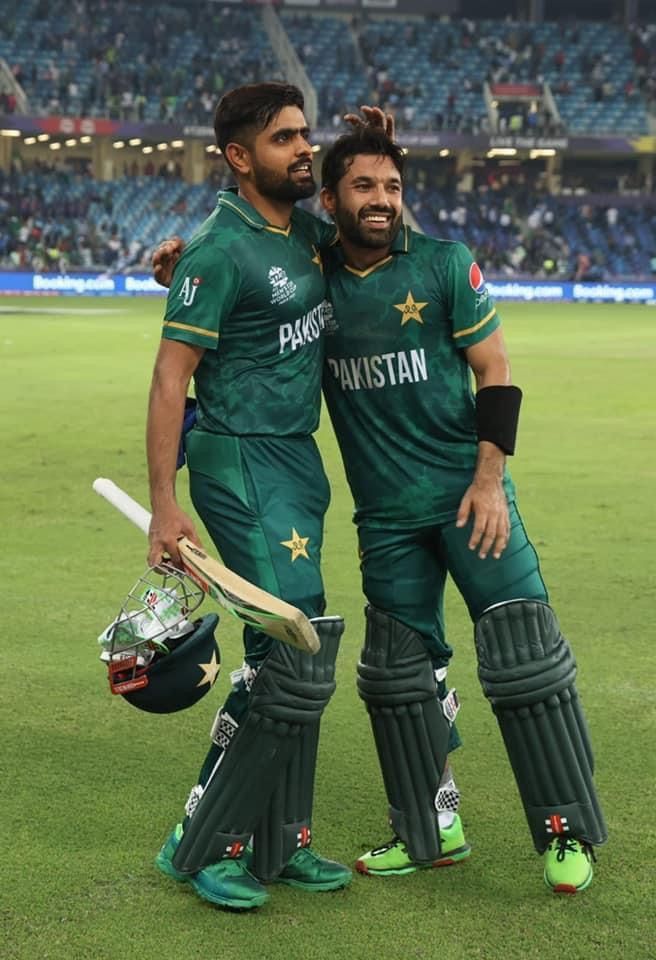
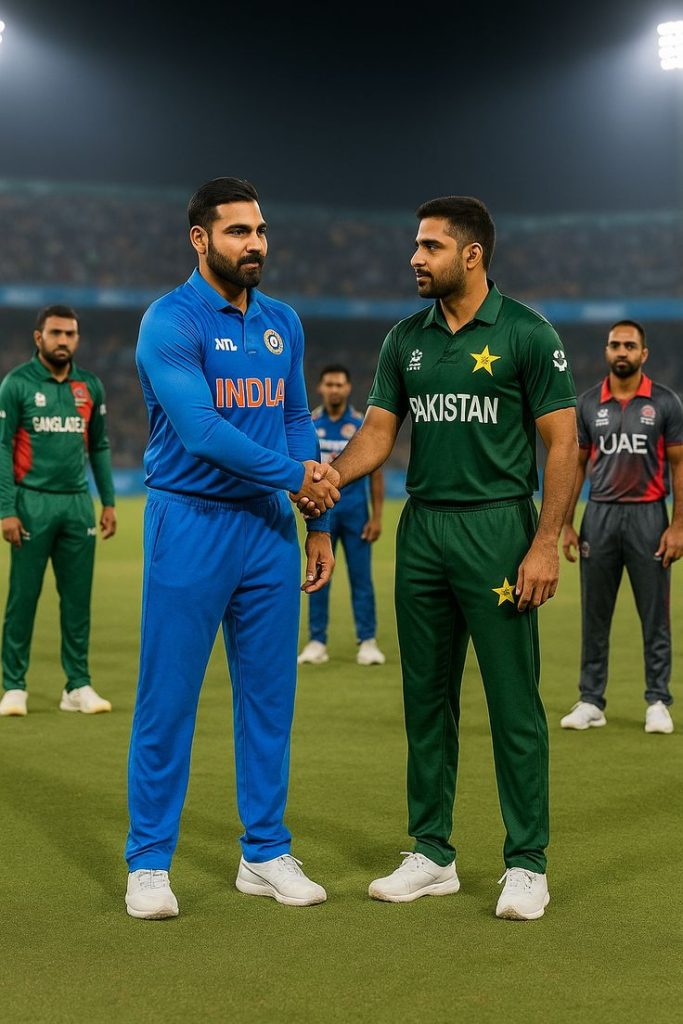
• The Cricket Diplomacy: Nothing compares to cricket in terms of capturing the intensity, tension, and shared madness of a relationship. A cricket match between India and Pakistan is much more than just a sporting event; it serves as a diplomatic gauge and a national preoccupation that paralyzes both nations.
Synopsis of the Viewpoint
India and Pakistan’s relationship is never static. Intense diplomatic freezing alternates with infrequent windows of peace initiatives, such as the momentous 1972 Shimla Agreement, the 1999 Lahore Declaration, and humanitarian endeavors like the opening of the Kartarpur Corridor for pilgrims.
For a region battling poverty and climatic issues, the economic and human costs of ongoing antagonism are high, even though the geopolitical impasse is still unbreakable. In order to achieve true stability in South Asia, historical grudges must be put aside in favor of a long-term, bilateral framework. The best course of action is to turn an existential rivalry into a harmonious coexistence, realizing that although neighbors can alter their policies, they are unable to alter their physical location.