T20 World Cup
Introduction
The ICC Men’s T20 World Cup stands as a testament to the dramatic evolution of modern cricket. Introduced by the International Cricket Council (ICC) in 2007, this biennial tournament completely revolutionized the sport by condensing a traditional five-day or one-day game into a high-octane, three-hour spectacle. By emphasizing explosive batting, innovative bowling, and athletic fielding, the T20 World Cup has expanded cricket’s global appeal and captured the imaginations of billions of fans worldwide.
Origin and the 2007 Revolution
The concept of Twenty20 cricket was initially developed to counter dwindling crowd sizes in domestic English cricket. However, its international potential became undeniable during the inaugural T20 World Cup in 2007, hosted by South Africa.
That tournament became an instant classic, highlighted by unforgettable moments such as India’s Yuvraj Singh hitting six sixes in a single over against England. The tournament culminated in a high-stakes, nerve-wracking final between arch-rivals India and Pakistan. India’s thrilling 5-run victory not only birthed a new era of global cricket dominance but also catalyzed the creation of massive domestic leagues like the Indian Premier League (IPL).
Historical Milestones and Dominant Teams
Over its history, the T20 World Cup has proved to be highly unpredictable, producing six different champions across ten editions. Unlike the longer 50-over format, which historically saw extended eras of single-team dominance, the shorter format levels the playing field, allowing tactical ingenuity and momentum to redefine a team’s fortunes overnight.
The Major Champions
- India: The most successful team in tournament history with three titles. Beyond their historic 2007 victory, they captured the trophy in 2024 in the West Indies, and made history by successfully defending their crown on home soil.
- West Indies: Known for their flamboyant, power-hitting style, the West Indies captured two titles (2012 and 2016). The 2016 final remains iconic due to Carlos Brathwaite’s four consecutive sixes in the final over against England.
- England: Another two-time champion (2010 and 2022), England revolutionized their white-ball approach to become a powerhouse of aggressive, deep-batting strategies.
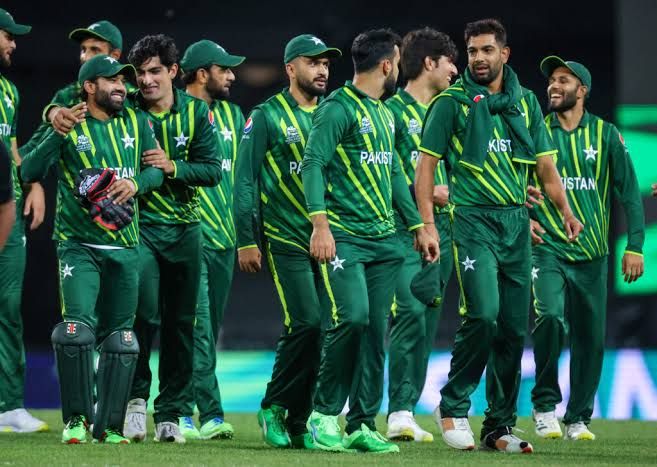
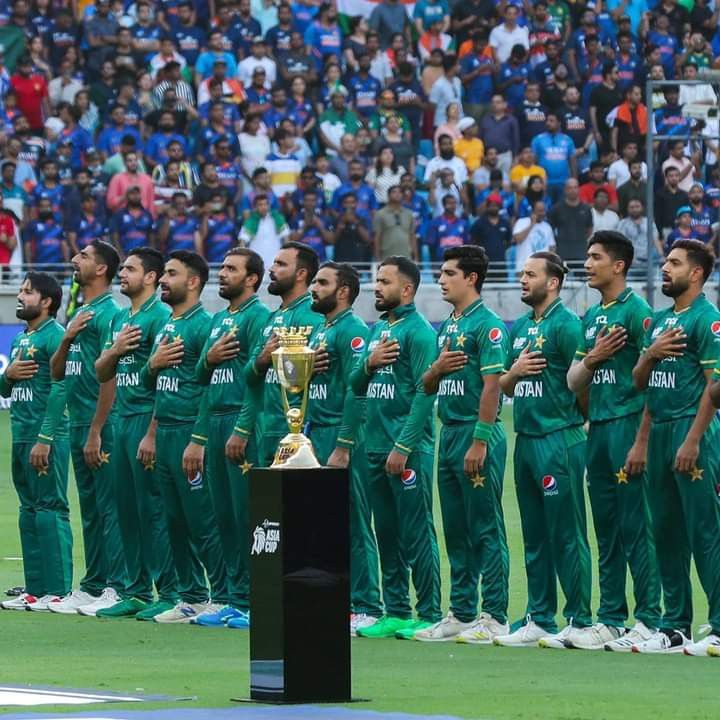
- Pakistan (2009), Sri Lanka (2014), and Australia (2021): Each of these powerhouse nations has claimed the prestigious trophy once, demonstrating the incredibly balanced competitive landscape of the international game.
Tactical Evolution and Global Expansion
The tactical landscape of T20 cricket has evolved massively since 2007. Initially viewed as a batsman’s paradise, the tournament quickly forced bowlers to innovate. The rise of mystery spin, knuckleballs, and lethal wide-line Yorkers turned the format into a sophisticated chess match played at breakneck speed.
Furthermore, the tournament has served as a powerful vehicle for expanding cricket’s global footprint. The expansion of the tournament to 20 teams allowed associate nations to showcase their talent on the grandest stage. Unforgettable moments—like the United States defeating Pakistan in 2024 or Zimbabwe pulling off major upsets to reach the Super 8s—prove that the gap between traditional powerhouses and emerging nations is rapidly closing.
Conclusion
The T20 World Cup has fundamentally altered the DNA of cricket. It has transformed a game of patience into a sport of relentless intent, athleticism, and strategic calculations. Beyond the packed stadiums and television ratings, the tournament’s true legacy lies in its inclusivity and ability to provide cinematic entertainment. As the format continues to grow, the T20 World Cup remains the ultimate ultimate stage for cricketing innovation and global unity.